 Climate Innovation Coalition
Where We've Been, Where We Are, Where We're Headed
Carbon fluctuations aren't new to Earth — but what's happening now, and what we do next, will define everything that follows.
Past
Carbon fluctuations aren't new to Earth—they're written into our planet's biography. Peter Brannen's The Ends of the World reveals how all five mass extinctions involved severe carbon disruptions over millions of years. Yet NASA data exposes something alarming: for 800,000 years, atmospheric CO₂ cycled predictably, never breaching 300 parts per million—until industrialization changed everything around 1800. By 1950, we'd shattered that ancient ceiling, pushing past 400 parts per million with no sign of slowing.
Present
The evidence is undeniable: Earth's temperature is climbing. Global average temperatures have risen approximately 0.5°C since 2000 compared to the 1950–1980 baseline. By 2022, our planet had warmed nearly 1.5°C (3.5°F) above preindustrial levels. Rising temperatures, polluted air, wildfires, extreme storms, and pervasive plastic contamination in our oceans and atmosphere are driving increases in illness and disease worldwide.
Future
Our climate's trajectory depends entirely on the choices we make today. Without decisive action, we face catastrophic consequences—rising seas, collapsing ecosystems, and devastating impacts on civilization. But if we rapidly transition to renewable energy, adopt sustainable practices, and work together globally, we can avoid the worst outcomes. The next decade will determine our path—escalating crisis or transformative renewal.
Solutions & Innovations
The past two decades—especially the last five years—have produced remarkable clean energy breakthroughs that reduce our dependence on fossil fuels. Each month brings new innovations pushing us closer to sustainability.
Technologically, climate solutions exist. The real challenge is whether we can overcome political, economic, and social barriers quickly enough to deploy these technologies at scale before time runs out.
Understanding the challenges and solutions is just the first step. Real change requires us to transform our daily habits—from how we prepare meals and get around, to the choices we make at the ballot box and in our workplaces. Everything we do should move us toward sustainability and help repair the environmental damage we've collectively caused.
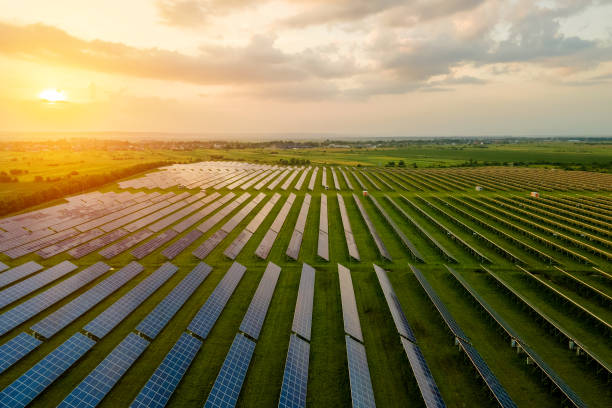
Solar Power: From Innovation to Dominance
Solar panels have been a cornerstone of renewable energy innovation for over four decades, but their global impact has accelerated dramatically since 2015—a near 100% drop in cost since the 1970s, and 90% in just the past decade. In 2022 alone, global solar energy production surged 26%, supplying 4.5% of the world's electricity. By 2030, solar is projected to become the leading source of energy worldwide.
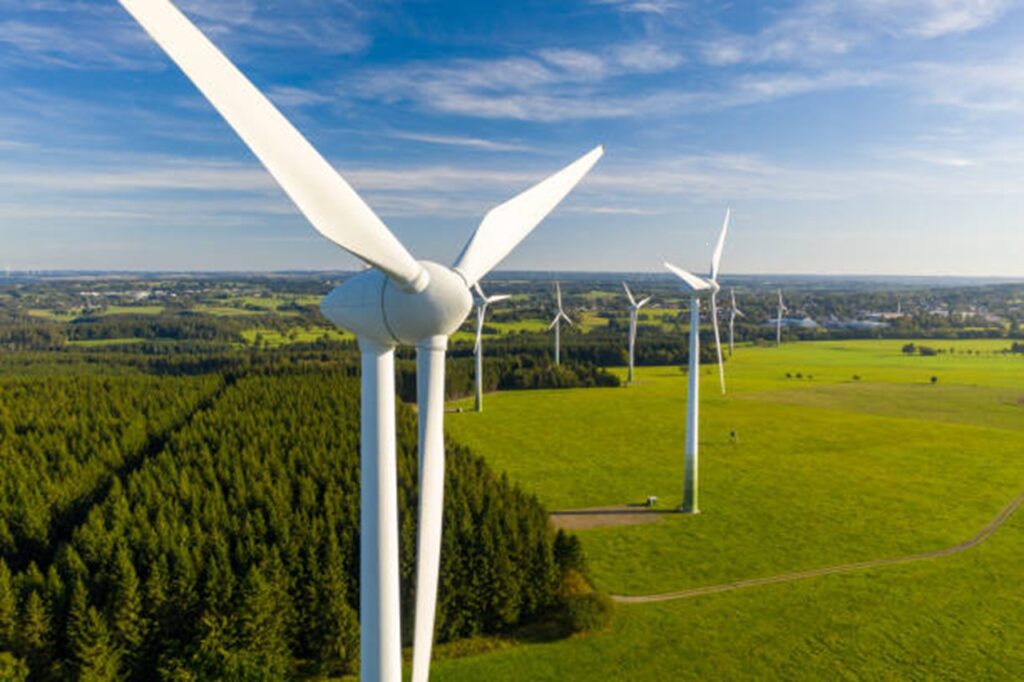
Wind Power: A Rising Force in Global Energy
In 2022, wind energy emerged as the world's second-largest source of renewable electricity, supplying over 7% of global electricity—more than doubling its share since 2015. This rapid growth reflects both technological advances and a global push toward cleaner energy.
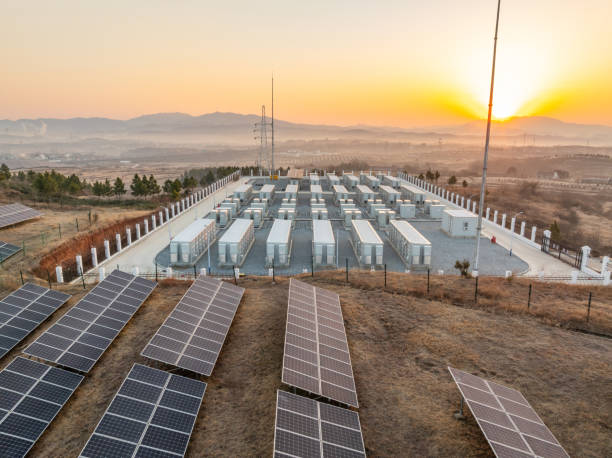
Battery Technology: Powering the Future
As solar and wind become dominant energy sources, batteries are taking on an even more critical role—storing power when the sun isn't shining. Solid-state lithium batteries promise EVs with 600–700 mile range that charge in 10–15 minutes, while virtually eliminating fire risk.
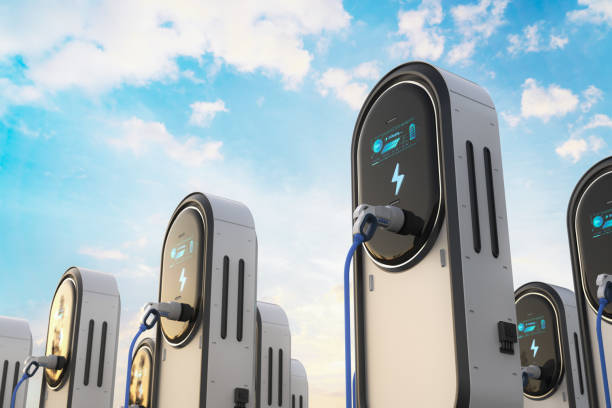
Electric Vehicles: Driving Toward a Cleaner Future
A decade ago, EVs made up a sliver of global car sales. By 2022, over 10 million were sold worldwide. With cars and trucks responsible for roughly 20% of global emissions, many countries have enacted bans on new gas-powered vehicle sales by 2035.
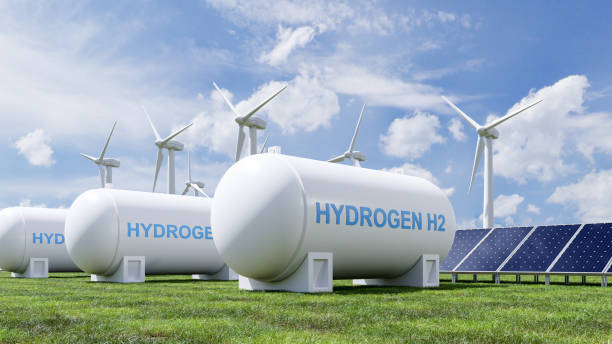
Hydrogen Power: Clean Energy from a Common Source
Hydrogen fuel cells combine hydrogen and oxygen to produce energy and water—no harmful emissions. It can be produced from natural gas, nuclear, biomass, solar, or wind. The biggest hurdle today is cost, but that's changing fast.
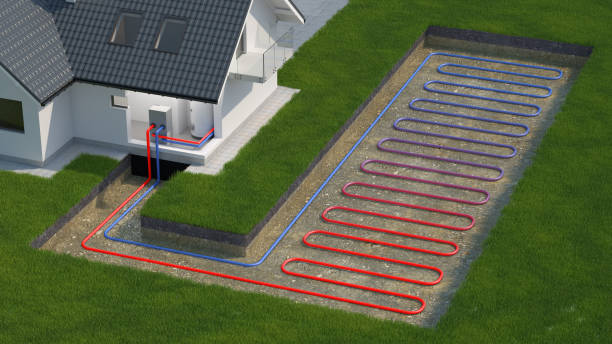
Enhanced Geothermal: Tapping Earth's Deep Energy
Enhanced Geothermal Systems unlock the Earth's natural heat through hydraulic stimulation, producing electricity with virtually no greenhouse gas emissions—constant, reliable power, quietly working beneath our feet.
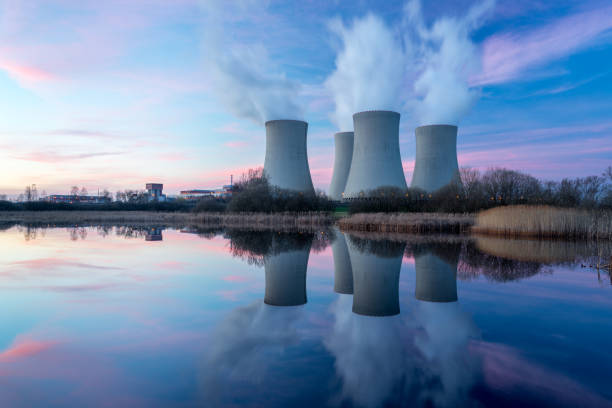
Advanced Nuclear: Clean Energy, Reimagined
Today's nuclear isn't the bulky, high-risk technology of the past. TerraPower's "slow wave reactor" runs on depleted uranium and is meltdown-proof; small modular reactors are cheaper, faster to build, and easier to deploy in remote areas.
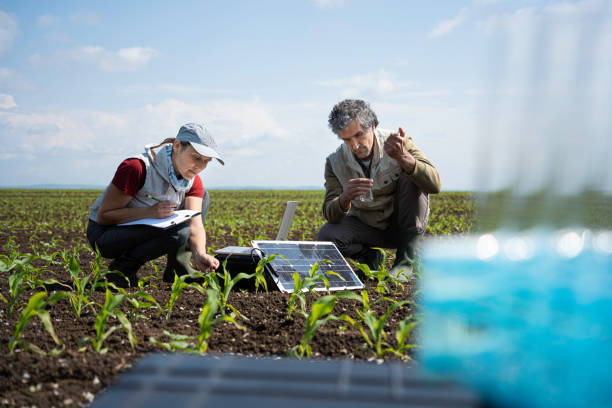
Regenerative Agriculture: Healing the Soil, Restoring the Balance
Regenerative agriculture revives degraded soils through adaptive grazing, no-till planting, and minimal synthetic chemicals—a proactive strategy to reverse environmental damage and build farming systems that are healthier and more climate-resilient.
Let's build the future we need
Whether you're a student, an investor, or an organization ready to collaborate — we want to hear from you.
Get in Touch